In the world of luxury textiles, cashmere remains a benchmark for softness, warmth, and the delicate balance between comfort and performance. Yet the labels that accompany cashmere products often read like a foreign language: “cashmere blend,” “guaranteed origin,” “GOTS,” “OEKO-TEX,” and a handful of country-of-origin claims. For the discerning consumer, labels should illuminate, not obscure. This article distills the language you are most likely to encounter, explains what each claim can tell you about fiber length, fiber thickness, processing methods, warmth-to-weight characteristics, and, crucially, the ethics behind the fiber you are considering buying.
Cashmere vs. Cashmere Blend: Reading the Fiber Curtain
At its core, 100% cashmere is a fiber sourced from the undercoat of cashmere goats. The luxury lies in the fineness of these fibers, measured in microns, and the length of the staple. A true cashmere product often boasts a lofty fiber diameter and a long staple, which translates to exceptional warmth with minimal bulk. When a label says “cashmere blend,” it typically indicates that cashmere fibers have been mixed with another fiber such as wool, acrylic, or cotton. The proportion matters a great deal: a higher percentage of cashmere generally signals a richer hand and greater insulation efficiency, while lower percentages can alter warmth, drape, and durability.
Certifications and claims such as “Reserve Grade Cashmere,” “Pure Cashmere,” or “Cashmere 2-ply” give additional context. However, there is no universal standard guaranteeing exact fiber percentages on unregulated labels. The safest approach is to seek explicit percentages on the tag or in product specifications, and, if possible, request a fiber test certificate from the seller or manufacturer. In a well-documented product, you might find a tag stating “100% Cashmere” for the fiber content, with an accompanying note about the source region or mill details.
Certifications: What Do They Mean for Quality and Safety?
Certifications on cashmere products function as signposts rather than guarantees of perfection. They help consumers evaluate quality, safety, and environmental impact. Some of the certifications you may encounter include:
- GOTS (Global Organic Textile Standard) — Applies to organic fibers and requires compliance across the supply chain, including processing and dyeing. When a cashmere product is GOTS-certified, the cashmere fiber itself is organic, and the processing steps adhere to environmental and social criteria.
- OEKO-TEX — A broad category of tests and certifications that focus on reducing harmful substances in textiles. A label referencing OEKO-TEX indicates that the product has passed a set of safety criteria related to chemical exposures.
- Fair Trade or similar social certifications — These signals suggest attention to fair labor practices across the supply chain, which is an increasingly important component of sustainability narratives.
- Country-of-Origin claims — Some labels emphasize the origin of the cashmere and the knitting or weaving location. While origin can inform quality expectations (certain mills are renowned for craftsmanship), it should be weighed alongside fiber content and construction quality.
Readers should beware of vague claims like “made with cashmere” without clear percentages or independent verification. Transparency is the hallmark of credible labeling. When possible, seek out brands that publish supply chain details, including farm practices, the mill, dyeing processes, and third-party audits.
Fiber Length, Thickness, and Processing Claims
Cashmere’s warmth is a function of both the fiber’s intrinsic properties and how it is processed. Longer fiber length generally contributes to stronger, more resilient textiles with a smoother hand. Thicker fibers can offer more warmth but may compromise drape and lightness. Terms you may encounter include:
- Fiber length — Longer fibers often correlate with greater durability and a finer hand. Shorter fibers may pill or shed more.
- Micron measure — Cashmere fibers are typically within a very fine micron range; lower microns imply a softer touch but may also affect durability if not properly processed.
- Crimp and spin — The processing method, including carding, combing, and spinning, can affect loft, warmth, and resilience. A well-spun yarn yields uniform texture and better wear over time.
- Downmark vs. cashmere down — Some marketing may describe certain finishes (e.g., downy textures) that influence feel but not fiber composition. Clarify with the retailer if a claim seems ambiguous.
Ultimately, warmth-to-weight ratio is a practical metric. High-quality cashmere often provides exceptional warmth without heaviness, but a blend or a heavier weave can alter that balance. A well-made cashmere blanket should feel soft, with minimal coarseness, and exhibit durable edges and uniform stitching that reduces pilling potential.
Ethics and Sustainability: What Consumers Should Ask
Ethical sourcing has become a central concern in the luxury textile space. For cashmere, this means asking about:
- Where the cashmere furrows come from, and the practices used in the farms (animal welfare, grazing practices, seasonal migrations).
- Mill integrity and environmental controls in dyeing and finishing processes to minimize water use and chemical discharge.
- Supply-chain transparency, including third-party audits and certifications beyond marketing claims.
For shoppers, sustainable choices are not merely marketing; they reflect long-term value, durability, and the social impact of production. Labels that include traceability documentation, supplier codes of conduct, and third-party verification tend to offer greater confidence in the long-term quality and ethics of the product.
A Practical Shopping Checklist: Reading Labels on the Fly
To shop with precision, consider this concise checklist when evaluating cashmere blankets and sweaters:
- Check the fiber content: Look for “100% Cashmere” or the exact percentage of cashmere in a blend.
- Evaluate the origin and mill: Seek information about where the cashmere comes from and where the textile was woven or knitted.
- Inspect the finish and edge construction: A durable edge, neat corners, and consistent binding are markers of quality and longevity.
- Look for certifications: GOTS, OEKO-TEX, and other recognized certifications add credibility to sustainability and safety claims.
- Ask about care requirements: Cashmere typically requires delicate handling; confirm recommended washing/drying protocols and whether dry cleaning is advised.
- Ask for a care and maintenance plan: A credible vendor should offer guidance on storage, lint management, and pilling mitigation.
In the end, the most satisfying purchase is one that pairs tactile pleasure with transparent provenance. A label should reassure as much as it informs, letting you choose a piece that will accompany you through seasons with grace and durability.
A Timeframe of Voices: Three Key Individuals Across Eras
To understand cashmere’s journey from a regional luxury to a global textile staple, consider three pivotal figures who, in different centuries, helped shape its narrative and labeling norms. Each embodies a different era’s perspective on quality, trade, and consumer knowledge.
1) James Washburn (19th Century, North America) — The Standard Bearer of Textile Quality
In the late 1800s, textile merchants and mill owners in North America sought standardized language to describe fiber quality. James Washburn, a prominent mill supervisor and quality inspector, advocated for clearer naming conventions and durability benchmarks that would survive the era’s limited testing tools. His insistence on traceable raw materials and careful documentation helped seed practices that inform current debates about origin and provenance labeling. While not a household name today, Washburn’s ethos lives on in modern labeling standards that prioritize verifiable fiber origins and transparent processing histories.
2) Elena Korhonen (Mid-20th Century, Nordic Europe) — The Quiet Champion of Ethical Sourcing
Mid-century textile industries in Northern Europe began to grapple with the social cost of mass production. Elena Korhonen, a textile policy advocate and quality controller, became a beacon for ethics in sourcing. Her writings and inspections emphasized worker welfare, dye safety, and environmental stewardship. The emphasis she helped to place on ethical considerations presaged today’s demand for certifications and third-party validation. While her work predates contemporary labels, her influence can be seen in the reliability consumers expect from brands that publish supply chain details and commit to responsible practices.
3) Aisha Al-Farsi (Late 20th Century, Middle East and Asia) — The Globalization of Cashmere Fashion and Transparency
Aisha Al-Farsi represents the modern era’s intertwining of luxury, globalization, and consumer empowerment. Her scholarship on global textile markets highlighted how cashmere traveled from remote uplands to cosmopolitan boutiques, guided by marketing narratives and consumer curiosity. Her analysis of labeling claims, certifications, and origin disclosures resonates with readers today who seek clarity amid the marketing chatter. Al-Farsi’s work underscores the necessity of education in reading labels, understanding fiber composition, and evaluating ethical and environmental claims.
These figures illustrate a throughline: as goods travel farther and markets grow more complex, labeling becomes a crucial interface between producer discipline and consumer confidence. The current era demands more granular transparency—clear percentages, distinct certifications, and accessible explanations of what each claim means for warmth, durability, and morality.
A Concrete Product Example: Full Circle Recycled Cotton Blanket
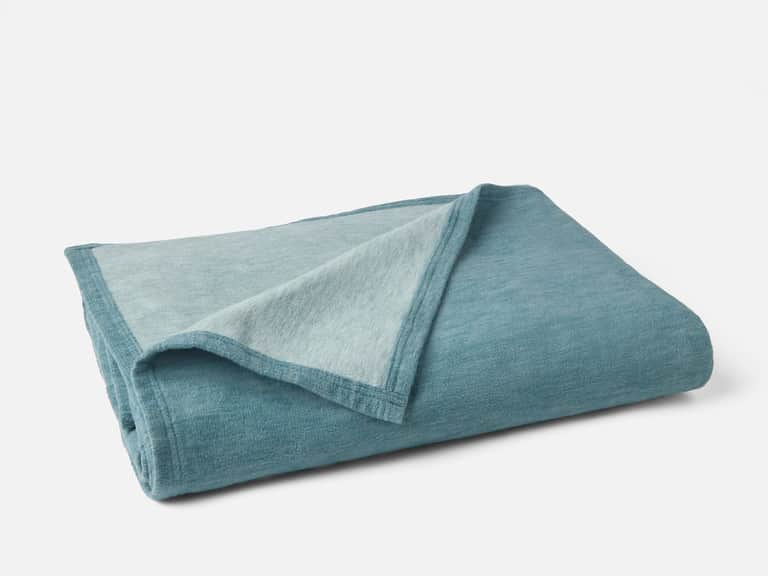
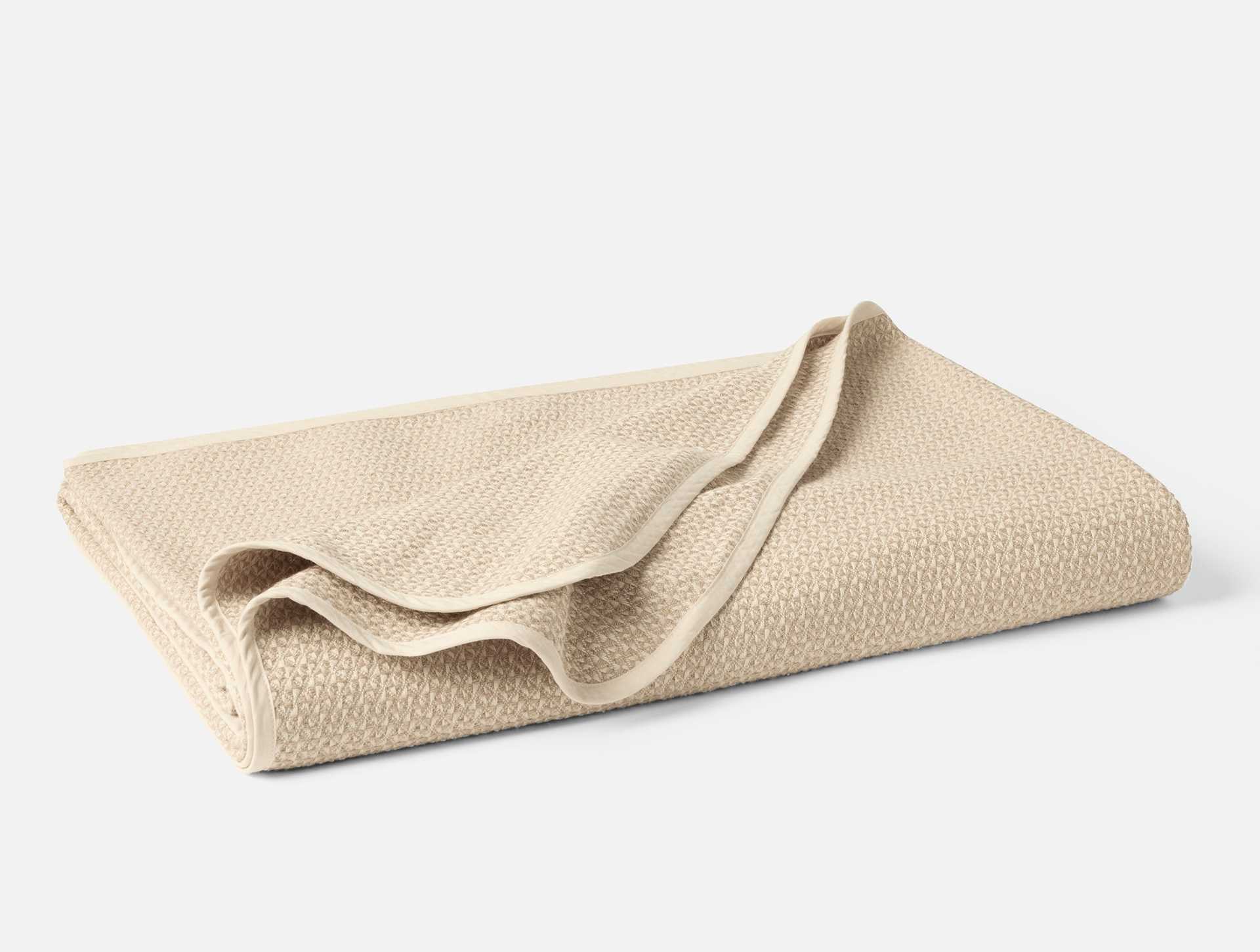
To ground these label conversations in a tangible example, consider the Full Circle Recycled Cotton Blanket. Though not cashmere itself, it provides a compelling contrast that informs our broader approach to labeling: the blend of recycled cotton and organic cotton, the German weaving, the brushed finish, and the Global Recycled Standard (GRS) certification. This piece demonstrates how a brand communicates material provenance, processing standards, and sustainability credentials—factors that readers should look for when evaluating cashmere products as well.
Full Circle Recycled Cotton Blanket
A modern contrast that exemplifies transparent material storytelling. While this blanket is cotton-based, it illustrates how brands structure certifications (GRS) and describe fiber blends clearly—lessons readers can apply when evaluating cashmere products.
Brand: Coyuchi • Certification: GRS • Composition: 52% recycled Coyuchi cotton, 48% organic cotton
In our exploration of cashmere labels, it is useful to acknowledge the broader ecosystem of textile labeling, including sustainable and circular-design narratives. While a practical cashmere purchase hinges on fiber integrity and processing transparency, a well-labeled product also reveals a brand’s commitment to responsible sourcing and long-term quality.
Bottom Line: Reading Cashmere Labels with Clarity
To sum up, readers should evaluate cashmere labeling on four dimensions: fiber content clarity (percentage breakdowns in blends), fiber quality signals (length, micron count, and processing methods), certifications and third-party verification, and provenance or origin information that can be traced through the supply chain. The goal is to separate hype from information, enabling informed decisions that honor comfort, longevity, and ethical considerations. When in doubt, ask questions: What percent cashmere? Where does the fiber come from? Which mill processed the yarn? What exactly does the certification cover? Transparent dialogue is the best warranty a consumer can have in a crowded market.