Bedding · Natural fibers
Silk Bedding Layers: Temperature, Care, and Fiber Trade-Offs
Silk can feel cool, smooth, and surprisingly warm—all in the same night. Its appeal lies in that lightness, but understanding how it behaves means looking beyond the first touch: at the weave, the layers beneath it, the care label, and the conditions of the bedroom.
Published October 11, 2026
Some bedding makes its case through weight. A dense wool blanket settles over the body; a thick cotton quilt creates a clear barrier between sleeper and room. Silk takes a quieter approach. A silk layer may look delicate and feel cool at first contact, yet still offer useful warmth when the temperature falls. That apparent contradiction is part of its appeal—and a reason silk is often misunderstood.
Silk is not a single promise of perfect sleep, nor does it regulate temperature like a thermostat. It is a natural protein fiber whose structure, yarn, and finished fabric influence how it feels and performs. In bedding, the result depends on more than fiber content alone. A loosely woven blanket, a dense silk-filled layer, and a smooth silk cover can all behave differently, even when each is described simply as “silk.”
This guide looks at silk as a lightweight bedding layer: what its surface feel can tell you, how breathability and moisture handling fit into the picture, how care affects longevity, and where other natural fibers may be a better match. A Mulberry West silk blanket offers one real-world reference point, not a universal template. The useful question is not whether silk is best, but whether its particular balance of softness, warmth, maintenance, and cost suits the way you sleep.
What silk feels like—and why
Silk is valued for a smooth surface and a soft, fluid drape. Compared with many woolen fabrics, it tends to feel less fuzzy or textured against the skin. Compared with cotton, it can feel more slippery and cool to the touch. Those impressions matter: bedding is in close contact with the body for hours, and a fabric’s surface can influence whether a layer feels soothing, clingy, crisp, or substantial.
But touch is only a starting point. “Silk” describes a fiber, not one fixed construction. The finished hand changes with yarn size, weave, density, finishing, and whether the material is used as a shell, a woven blanket, or a fill. A smooth woven surface may slide easily against pajamas or sheets; a quilted or filled blanket may feel loftier. Even the same fiber can give very different impressions in two fabrics.
Silk’s low weight is another defining feature. A thin layer can add comfort without the heavy pressure of a thick blanket. That may suit people who dislike bulky bedding, or anyone who wants a layer that is easy to fold and put away. Lightness, however, should not be confused with a guaranteed level of warmth. The warmth a sleeper experiences depends on fabric construction, the rest of the bedding, room temperature, and individual preferences.
The words “silky” and “silk” also need to be kept distinct. A fabric marketed as cashmere-soft or silk-like may use other fibers or blends. Reading the fiber-content statement is essential: it identifies what the textile is made from, while phrases about feel or finish describe an impression. Neither wording alone tells the whole story about performance or care.
Breathability is a system, not a slogan
Silk bedding is often associated with breathability and temperature comfort. Those descriptions can be useful, but they are not guarantees that a particular blanket will keep every sleeper cool. Heat and moisture move through a bedding system made up of several layers: sheets, blankets, a duvet or comforter, sleepwear, and the air around the bed. A single fabric can influence that system without controlling it.
In general, a fabric’s construction affects how readily air can move through it. A more open weave may feel less enclosing than a dense one. A blanket with a substantial fill has a different job from a thin woven layer, even if both contain silk. The warmth of a textile also depends on how much air its structure holds and how the layers interact. “Lightweight” describes a useful quality, but does not by itself specify how warm a blanket will feel.
Moisture comfort is similarly contextual. A sleeper’s skin releases moisture, and bedding can affect how quickly that moisture is absorbed, spread, or allowed to dissipate. Fiber, weave, and room conditions all play a part. If a bed feels clammy, adding another layer may not solve the problem; reducing excess insulation or choosing a more open construction could be more effective. If the room is cold, a light silk blanket may work better as one part of a layered setup than as the only source of warmth.
For people who sleep warm, the practical test is straightforward: change one layer at a time and observe the result over several nights. A breathable sheet paired with a light blanket may feel different from the same blanket under a thick duvet. For cold sleepers, silk can provide a soft, low-bulk addition, though wool or another insulating layer may be more suitable when substantial warmth is the priority.
A Mulberry West example
The Mulberry West 75-gram silk blanket is a useful example of how product details shape expectations. Its description identifies a silk fill and a satin-trimmed finish, and lists a twin XL size of 68 by 90 inches. The product information also describes independent testing for formaldehyde and lead, a point to assess through the maker’s documentation when material safety is part of a buying decision.
Those details are more informative than the word “silk” alone. Fill weight, dimensions, trim, and care guidance each affect how a blanket might fit into a bedroom routine. A filled blanket is not necessarily interchangeable with a woven silk coverlet: they are constructed differently and may offer different levels of loft, drape, and insulation. When comparing options, check whether the stated weight refers to the fill, the whole blanket, or another measurement. If the listing is unclear, seek clarification rather than assuming the numbers describe equivalent things.
Care is particularly important here. The Mulberry West information describes the blanket as easy to clean, while also giving a specific fiber and construction. For any silk bedding, the manufacturer’s current care label should take precedence over general advice. “Silk” does not automatically mean washable, and “natural” does not mean immune to damage. Before purchase, confirm the recommended method, any restrictions on water or heat, and whether professional cleaning is advised.
A product description can help establish what a blanket is intended to offer; it cannot predict every sleeper’s experience. Room climate, personal warmth, and the other layers on the bed remain decisive. Think of this example as a prompt for better questions, not a verdict on silk bedding as a category.
Care: the cost of a delicate surface
Silk’s smoothness is part of its attraction, but it also calls for considered handling. Friction, snagging, harsh detergents, high heat, and aggressive washing can affect delicate textiles. The right routine depends on the actual item: a silk-filled blanket with a protective outer shell may have different instructions from a lightweight woven silk throw. Do not infer care from fiber content alone.
Start with the label and follow it closely. If the instructions call for professional cleaning, that guidance matters more than a generic claim that silk is easy to maintain. If washing is permitted, follow the stated water temperature, cycle, detergent, and drying method. Avoid improvising with bleach, fabric softener, or high heat unless the manufacturer explicitly allows it. When uncertain, contact the maker or a qualified textile-care professional before treating a stain.
Daily habits can reduce the need for cleaning. Keep food and drinks away from the bed, use a washable cover where the design allows, and air the bedding when appropriate. Store a clean, completely dry silk layer in a breathable place, away from persistent dampness and direct sunlight. Avoid compressing it tightly for long periods if that could distort its shape or finish. A breathable storage bag can help shield it from dust without trapping moisture.
Stains deserve particular caution. Rubbing can spread the mark or abrade the surface, while a spot-treatment product may discolor or weaken the fabric. Blotting gently may be safer than scrubbing, but even that is not a substitute for the care label. If the textile is valuable, filled, or difficult to clean, professional advice can prevent a small problem from becoming a permanent one.
Care requirements are part of the true cost of bedding. A layer that needs specialist cleaning may still be worthwhile for someone who values its feel and uses it regularly. For another household, frequent laundering or a busy bedroom may make a machine-washable alternative more practical. Neither choice is inherently more sophisticated; the better choice is the one that can be maintained as intended.
Silk compared with other natural fibers
Comparing fibers is most useful when it starts with needs rather than prestige. Each material brings a different balance of surface feel, weight, warmth, care, and durability. The construction still matters: a loose weave and a dense weave made from the same fiber can behave very differently.
- Cotton: Often a practical choice for breathable, familiar bedding and regular laundering, depending on the fabric and care instructions. Cotton blankets range from light and open to dense and substantial. Organic certification may provide information about sourcing and processing, but it does not by itself determine softness or warmth.
- Wool: Commonly chosen for warmth and resilience. Its texture and weight vary considerably by wool type and finish. Some wool layers require specialist care, while blends may be designed to be washable. Check the specific instructions rather than assuming all wool is handled the same way.
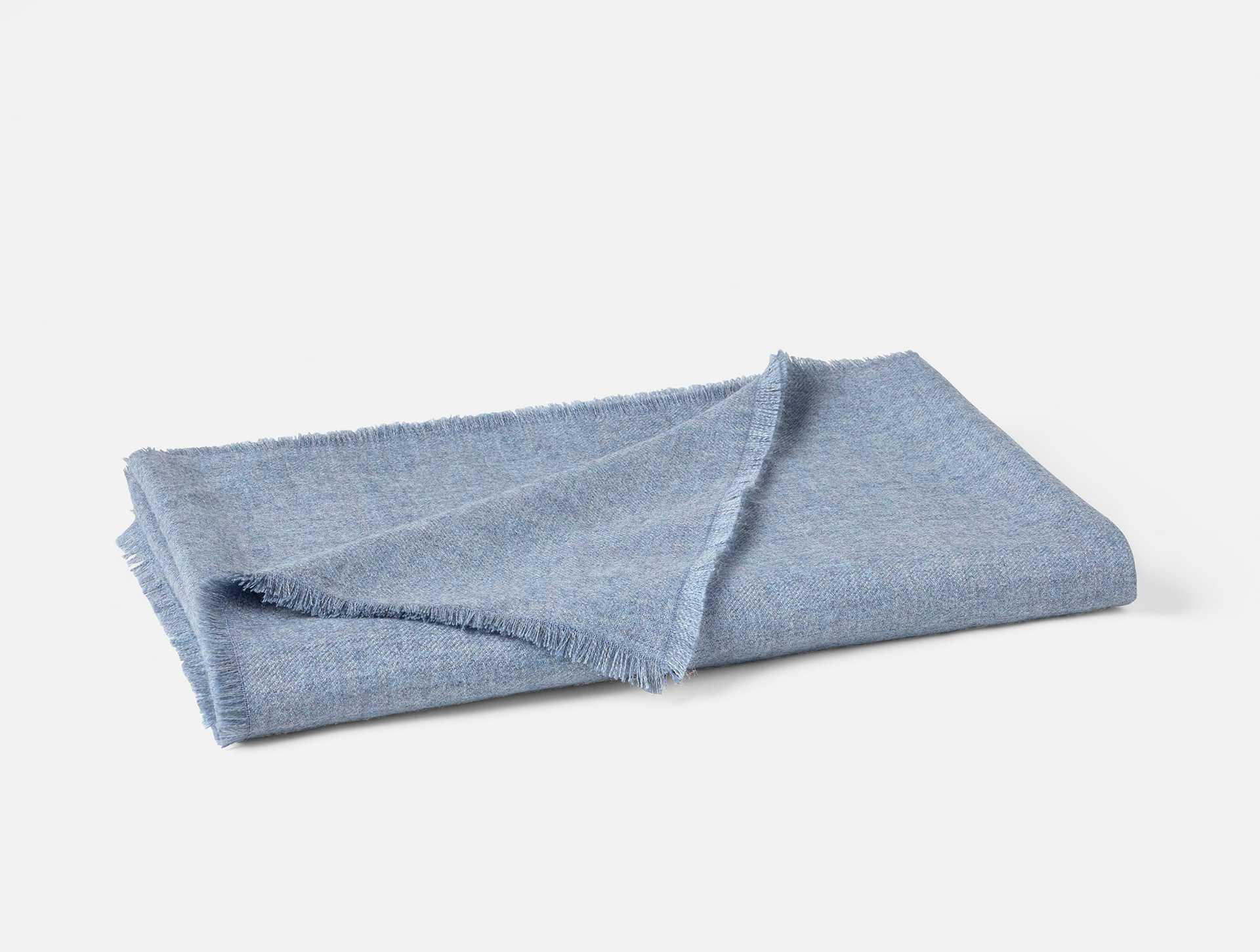
- Alpaca: Often appreciated for a soft hand and lightweight warmth. The feel depends on the grade, yarn, and weave, and care can be restrictive. A naturally soft fiber is not automatically the right choice for someone who needs frequent machine washing.
- Silk: Offers a smooth surface and a fluid, lightweight character. It can suit sleepers seeking a refined layer that does not feel bulky, but care requirements and the differences between woven and filled constructions deserve close attention.
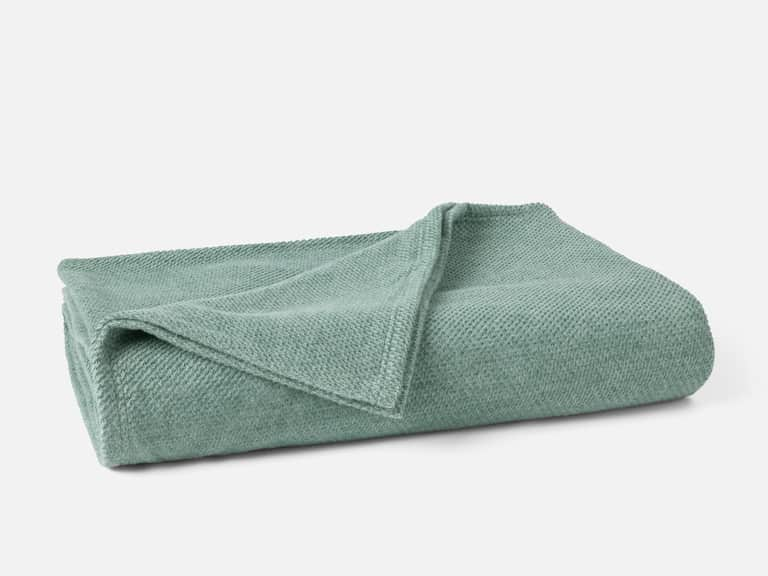
One example of a contrasting approach is the Sequoia washable organic cotton and wool blanket. Its listed composition is 70 percent organic cotton and 30 percent organic wool; it is woven in Germany, brushed for softness, and designed for cold, gentle machine washing with low tumble drying. That combination makes it a useful comparison for readers who value straightforward laundering alongside the warmth and texture of wool. It is not a silk substitute in feel, but it illustrates how a different fiber blend can prioritize a different set of everyday trade-offs.
Labels also deserve careful reading. A term such as “natural” does not establish a textile’s full environmental impact, and a certification applies to particular criteria rather than every quality a shopper might care about. Origin, processing, animal welfare, chemical restrictions, durability, and repairability are separate questions. Look for specific, verifiable information and avoid treating one broad claim as proof of everything.
How to choose a silk layer for your bed
Begin with the job you want the layer to do. Is it meant to add a little warmth, soften the surface of the bed, provide a lightweight cover for warmer months, or serve as a decorative top layer? A clear answer helps narrow the options more reliably than a general search for “temperature-regulating” bedding.
- Read the fiber content. Confirm whether the item is silk throughout, a silk fill inside another shell, or a blend. Marketing language about a silky feel is not a fiber-content statement.
- Understand construction. Ask whether the textile is woven, knitted, quilted, or filled. Look for details about weave, fill, edging, and any cover fabric.
- Check the measurements. A blanket that is too small to cover the intended area may be less useful than its material suggests. Compare the listed dimensions with the mattress and the way you layer bedding.
- Match warmth to the whole bed. Consider sheets, duvet, sleepwear, bedroom temperature, and whether you tend to sleep warm or cold. No fiber works independently of its surroundings.
- Decide what care is realistic. Confirm the manufacturer’s instructions and consider how often you expect to wash or clean the item. Care convenience is a performance feature in everyday use.
- Look for evidence behind claims. For claims about testing, sourcing, or certification, check what was tested, who conducted it, and what the standard covers. Clear documentation is more useful than broad assurances.
If possible, assess the textile in person or review a sample before making a major investment. Pay attention to the surface, drape, edge finish, and how the fabric moves. Online descriptions can communicate composition and dimensions, but they cannot fully reproduce the hand of a cloth. A return policy may matter when the feel is central to the decision.
Common silk-bedding myths
Myth: Silk always keeps you cool. Silk may feel cool at first touch, but that sensation does not guarantee a cool night. Weave, fill, room conditions, and other bedding layers shape the experience.
Myth: Lightweight means suitable for every season. A light layer can be useful across changing temperatures, but it may be insufficient on its own in a cold room. Seasonal versatility depends on how the piece combines with the rest of the bed.
Myth: Natural fibers are automatically easy-care. Natural describes origin, not washing instructions. Some silk and wool textiles need specialist attention; some cotton and blended blankets are designed for home laundering. The label is the practical authority.
Myth: A premium fiber guarantees better sleep. Comfort is personal and shaped by fit, temperature, texture, and routine. A costly textile may offer qualities a particular sleeper values, but price cannot guarantee that it will suit everyone.
The bottom line
Silk bedding occupies a distinctive place between surface luxury and practical layering. Its smooth feel, low weight, and soft drape make it appealing to people who want comfort without bulk. Its performance, however, is not a fixed property that can be read from the fiber name alone. Construction, fill, weave, surrounding layers, and the bedroom itself all matter.
The Mulberry West example shows why details count: fiber, fill, dimensions, finish, and care guidance help define what a specific blanket is. Compare those facts with your own priorities. If you value a silky hand and can follow the required care, silk may be a considered addition to the bed. If easy machine washing or substantial warmth ranks higher, another natural fiber or a blend may fit better.
The smartest bedding choice is rarely the one with the most impressive adjective. It is the layer that feels right in the room, works with the rest of the bed, and can be cared for without guesswork. Silk can deliver a rare combination of lightness and comfort—but only when its trade-offs are part of the decision.
Quick reference
- Best understood as: A smooth, lightweight fiber whose warmth and breathability depend on construction and layering.
- Check before choosing: Fiber content, weave or fill, dimensions, care label, and evidence behind product claims.
- Silk’s main trade-off: A distinctive hand and drape may come with more demanding care than everyday washable cotton.
- Useful comparison: Wool and alpaca may offer different warmth and texture; cotton blends can prioritize easier routine care.