Bedding · Fiber Guide
Silk Blankets and Wool Layers: Comparing Breathability and Warmth
Silk and wool can both make a bed feel more comfortable, but they work in different ways. Silk is smooth, light, and fluid; wool brings loft and a more substantial insulating structure. Understanding how each handles warmth, moisture, construction, and care can help you choose a layer that suits your room, your routine, and the way you sleep.
Published October 28, 2026
Two natural fibers, two different kinds of comfort
A blanket is not simply a measure of warmth. It sits close to the body, meets changing room temperatures, and may be added or removed during the night. The useful question is not which fiber is universally warmer or more breathable, but how a particular fabric behaves in the conditions where it will be used.
Silk tends to create a light, smooth layer with an elegant drape. Wool, by contrast, is often used for a loftier, more insulating layer. Both are animal fibers, yet their feel and performance depend on more than fiber name alone. Yarn thickness, weave or knit, fabric weight, finishing, and the layers beneath all affect the experience.
That distinction matters when comparing a silk blanket with wool bedding. A fine, loosely constructed wool layer may feel very different from a dense, brushed wool blanket. Likewise, a silk blanket’s weight and weave influence how it falls over the bed and how much warmth it provides. Material is the starting point—not the whole specification.
What breathability means in bedding
“Breathable” is often used as a shorthand for comfort, but it is not a single measurable sensation. In bedding, it commonly refers to how readily air and water vapor can move through a textile. A fabric that allows some airflow and does not hold a clammy feeling may be more comfortable for someone who becomes warm during sleep. The final result, however, also depends on the mattress, sleepwear, room temperature, and the number of layers on the bed.
Breathability should not be confused with being cool at every moment. A breathable blanket can still provide warmth, and a light blanket can still feel too warm if the room is hot or the rest of the bedding traps heat. The goal is balance: enough insulation for comfort, without a heavy or stuffy sensation.
Silk’s fine, smooth structure gives it a light hand and a fluid feel. Silk fabrics can be made in different weights and constructions, so one blanket may feel much more substantial than another. Wool fibers, meanwhile, are commonly formed into fabrics with more loft. The resulting structure can hold air within the textile, contributing to insulation. How much warmth that creates depends on the wool, the fabric’s density, and its finish.
For shoppers, this is a reason to look beyond broad claims. Check the fiber composition and any available details about weight, weave, and care. If those specifications are not provided, avoid assuming that all silk or all wool blankets will perform identically.
Silk: lightness, drape, and a smooth surface
Silk is often chosen for its smooth surface and graceful drape. A silk blanket may lie close to the body without the bulk of a thick, lofty layer, making it useful as a light cover or as part of a layered bed. Its visual character can also be understated: the fabric’s subtle sheen and fluid fall bring a polished finish without relying on a heavy texture.
The DownTown Company Silk Blanket is listed as 100% silk, with a satin binding and a natural color. Its description presents it as a lightweight, breathable layer intended for use across seasons. Those details offer a practical example of what to examine: fiber content, edge finish, weight or intended use, available dimensions, and cleaning requirements.
Silk’s relative lightness may appeal to people who want a gentle layer rather than a dense cover. But a silk blanket should not automatically be treated as a substitute for a heavy winter blanket. In a cold room, it may work best over other bedding, where it contributes a smooth top layer without carrying the full burden of insulation.
There is also a tactile difference. Silk generally has a sleek, cool-to-the-touch quality when first handled, though that first impression is not a reliable prediction of how warm it will feel after it has been on the bed. The surface, the fabric’s construction, and the surrounding layers shape the experience over time.
For anyone considering silk, the care label deserves close attention. The DownTown Company example is described as a 100% silk blanket with satin binding; the available product information does not specify a washing method. Follow the instructions supplied with the particular blanket rather than assuming that silk can be washed or dried like everyday cotton bedding.
Wool: loft and insulating structure
Wool is valued in bedding for its warmth and its capacity to make a comfortable, insulating layer. A wool blanket often has more body than silk, especially when the textile is brushed or made with a construction that creates loft. That extra substance can feel reassuring in a cool room, or when a bed needs more coverage than a light layer can provide.
Wool bedding is not one uniform category. Fiber type, yarn, weave, finish, and blend can all change the feel. A blanket made entirely from wool may behave differently from a cotton-and-wool blend. The latter can combine the soft, familiar hand of cotton with some of wool’s insulating character, while remaining a distinct fabric rather than a pure-wool textile.
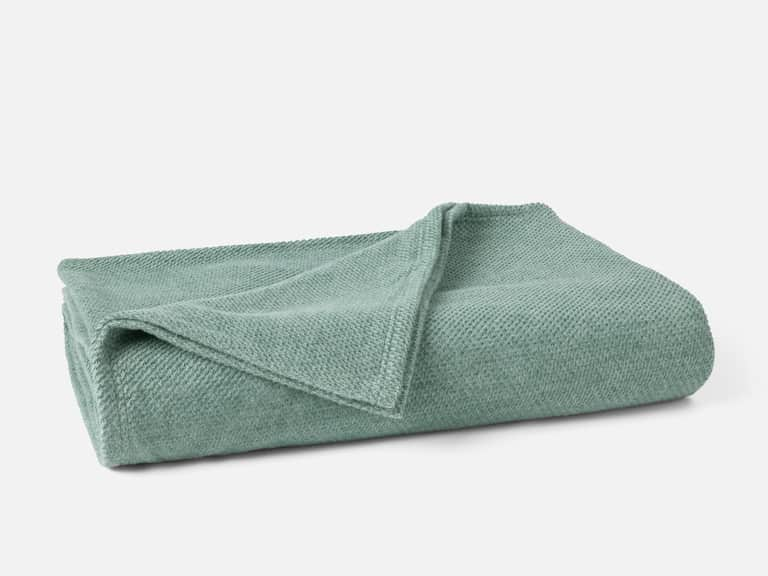
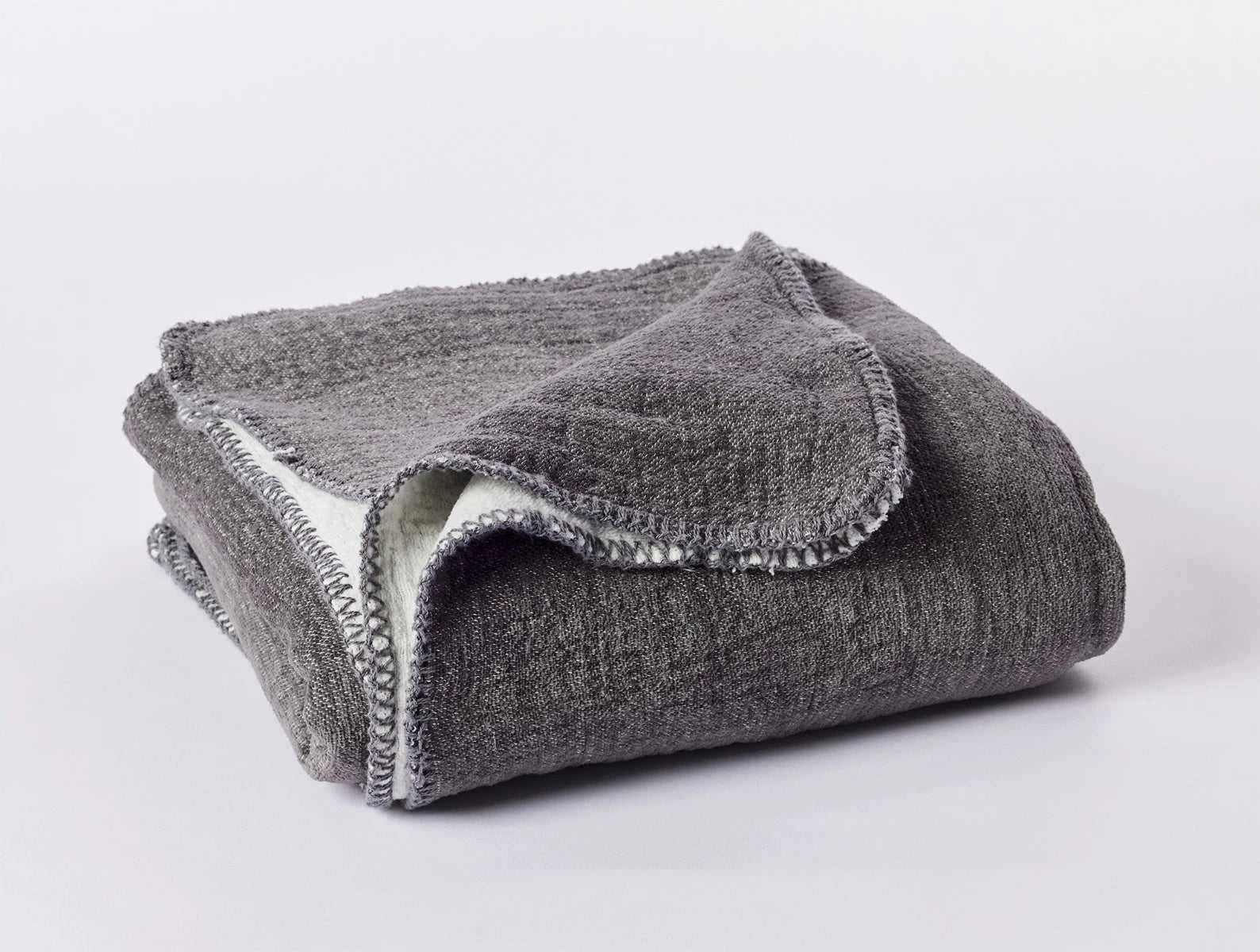
One example is the Sequoia Washable Organic Cotton and Wool Blanket, made from 70% organic cotton and 30% organic wool. Its fibers are twisted together before weaving, and the fabric is brushed for softness. The listed weight is 335 grams per square meter, and the care instructions specify a cold, gentle machine wash followed by low tumble drying. These particulars make it easier to assess the blanket as a practical layer: it is a blend, has a stated weight, and offers a defined care routine.
A wool layer may be particularly useful when warmth is a priority, but more insulation is not always better. In a warm bedroom, a dense blanket may feel excessive. Layering can offer a more flexible solution: begin with the bedding already in use, then add a wool blanket when the room or season calls for more coverage. If the night becomes warmer, a separate top layer is easier to remove than a heavy bed covering.
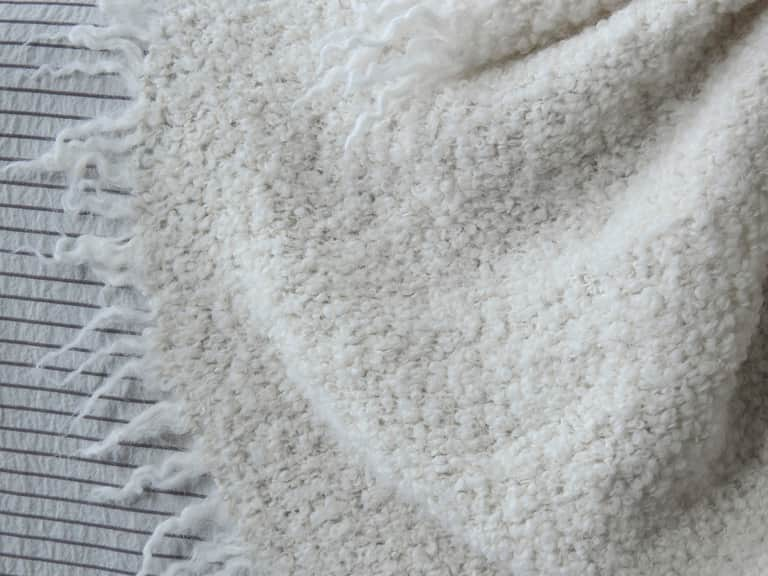
Wool’s texture also varies. Some people enjoy its natural, substantial hand; others prefer a smoother surface. A brushed finish can soften the feel, while a more open construction may drape differently from a compact weave. If tactile sensitivity is a concern, rely on fabric details and, where possible, assess the textile directly rather than inferring softness from the word “wool.”
A practical comparison
| Consideration | Silk blanket | Wool layer |
|---|---|---|
| Typical feel | Smooth, fluid, and relatively light | More substantial; may feel lofty or textured |
| Warmth approach | Often works as a lighter layer or part of a system | Loft and fabric structure can provide more insulation |
| Breathability | Depends on weight and construction; can feel airy | Depends on density and weave; warmth can coexist with airflow |
| Care | Check the specific label; delicate handling may be required | Instructions vary; some require specialist cleaning, others are washable |
| Useful role | A smooth, light cover or top layer | A warmer layer for cooler conditions or added coverage |
This comparison is a guide, not a guarantee. A fine wool fabric can be light; a densely woven silk blanket can be more substantial than expected. Product specifications are more informative than a fiber label alone. When possible, compare the stated composition, dimensions, weight, construction, finish, and care requirements together.
Choosing by season and sleeping habits
Season is a helpful starting point, but the room matters as much as the calendar. A well-heated bedroom in winter may call for lighter bedding than a cool bedroom in spring. Consider the temperature where you sleep, how warm you tend to feel overnight, and whether you prefer one substantial blanket or several layers that can be adjusted.
- For a light, smooth layer: Silk may suit a bed that needs an elegant cover without a bulky feel.
- For added insulation: Wool can be a useful choice when the room is cool or a bed needs a warmer top layer.
- For changing temperatures: Layering a lighter blanket over existing bedding gives you options. Remove or fold back a layer as conditions change.
- For easy routine care: Read the label before choosing. A washable wool blend may fit a different household routine from a blanket that requires dry cleaning or specialist care.
- For a particular hand or texture: Construction and finish matter. A brushed surface, smooth weave, or textured fabric can feel very different against the skin.
If you share a bed with someone whose comfort preferences differ from yours, separate top layers can be a low-tech but effective compromise. One person can use a wool layer for extra warmth while the other keeps a lighter cover. That arrangement also makes it easier to adapt without changing the entire bed.
Care is part of the comparison
Fiber performance matters over the life of a blanket, and care habits can affect that life. Before laundering any natural-fiber textile, read the manufacturer’s instructions. The safest method for one blanket may be inappropriate for another, even when both share the same main fiber.
Silk is often treated as a delicate textile, but blanket construction and finishing influence its care needs. Avoid relying on generic advice when the product label gives specific directions. If the instructions call for professional cleaning, factor that into the decision. Protecting the blanket from spills and unnecessary laundering can also reduce how often intensive cleaning is needed.
Wool care varies just as much. Some wool blankets are marked for dry cleaning, while certain wool blends are designed for machine washing. The Sequoia blend, for example, is listed for a cold, gentle machine wash and low tumble drying. That instruction belongs to that product’s construction; it should not be taken as a rule for all wool bedding.
For either fiber, regular airing and careful storage can help keep a blanket fresh between washes. Store clean, fully dry bedding in a dry place, and follow the product’s guidance about protection from pests. Avoid compressing delicate textiles for long periods if that may affect their shape or finish. When in doubt, consult the care label or a qualified textile-care professional.
Questions worth asking before you choose
Good decisions often come from asking a few precise questions rather than searching for a single “best” material. Is the blanket intended to be the main source of warmth or a lighter layer? Will it be used nightly, or brought out occasionally? Is machine washing important? Does the listed fiber composition match the description, and are the care directions clear?
It is also useful to distinguish between claims about a fiber and information about a finished textile. Statements about natural warmth or breathability describe general tendencies, not a promise that every blanket will feel the same. A fabric’s weight, structure, and finishing are part of its performance. A product with transparent specifications makes comparison more meaningful.
Where certifications or sourcing details are listed, read them carefully and consider what they actually cover. A certification may relate to a material, a production process, or a broader supply-chain standard; it does not automatically establish every quality a shopper might care about. Clear product information is more useful than vague language about luxury or performance.
The useful answer is often a layered one
Silk and wool are not rivals so much as different tools for shaping comfort. Silk brings a smooth, light presence and can serve as a refined top layer. Wool offers a more insulating structure and can add warmth when a bed or room feels cool. Each fiber’s actual performance depends on the finished fabric and the care it needs.
For a light touch and graceful drape, consider silk, while checking the blanket’s construction and cleaning instructions. For a warmer, more substantial feel, look at wool and wool blends, paying attention to weight, finish, and whether the product is washable. If conditions vary through the year, using separate layers may be more adaptable than expecting one blanket to do everything.
Ultimately, the best blanket is not the one with the most impressive material name. It is the one whose warmth, texture, breathability, and maintenance fit your actual bedroom. Start with those needs, compare the specifications, and let the fiber serve the comfort—not the other way around.
At a glance
- Silk generally offers a smooth, fluid feel and works well as a lighter layer.
- Wool’s loft and fabric structure can provide more substantial insulation.
- Breathability and warmth depend on the construction and weight of the finished textile, not only its fiber name.
- Care instructions vary from one blanket to another; always follow the product label.
- Layering makes it easier to adjust coverage as room temperature and personal comfort change.