Wool comforters are prized for their natural insulation, breathability, and moisture-wicking properties, making them a versatile choice for varying climates. In this category, readers explore features such as lofty thickness, densely spun wool fibers, and hypoallergenic qualities that help regulate temperature throughout the night. The use of wool also supports durable, long-lasting bedding that maintains its loft with regular care.
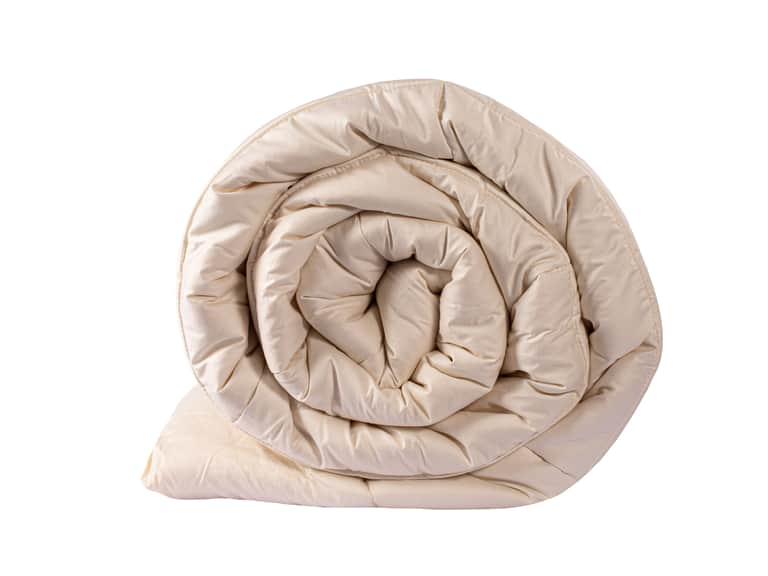
A central consideration for wool comforters is fill power and weight, which influence warmth without excessive bulk. The Sleep and Beyond myMerino Wool Comforter Light, for example, emphasizes lightweight warmth suitable for transitional seasons and sleepers who prefer a cooler feel. Understanding fill weight and weave ensures compatibility with existing sheets, pillows, and bedding ensembles.
Care and maintenance are important when selecting wool bedding, as wool balances comfort with practical upkeep. Wool comforters generally benefit from gentle airing, spot cleaning, and occasional professional cleaning to preserve fiber integrity. Proper care helps preserve loft, resilience, and the antimicrobial tendencies inherent in natural wool fibers, contributing to ongoing usability.
Functional benefits of wool comforters extend to allergy considerations and climate adaptability. Merino wool is known for its softness, fine micron counts, and minimal itch, making it accessible for sensitive sleepers. By providing temperature regulation and moisture management, these comforters support uninterrupted sleep and reduce heat buildup during rest.
Within this category, specific product examples such as the Sleep and Beyond myMerino Wool Comforter Light illustrate distinctive features like featherweight warmth, breathable fabric construction, and a compact feel that remains insulating. When evaluating comforters, readers can compare fiber quality, knit density, and overall comfort to identify a suitable option for bedding and nursery use.
 Bedding